Scan
Scan
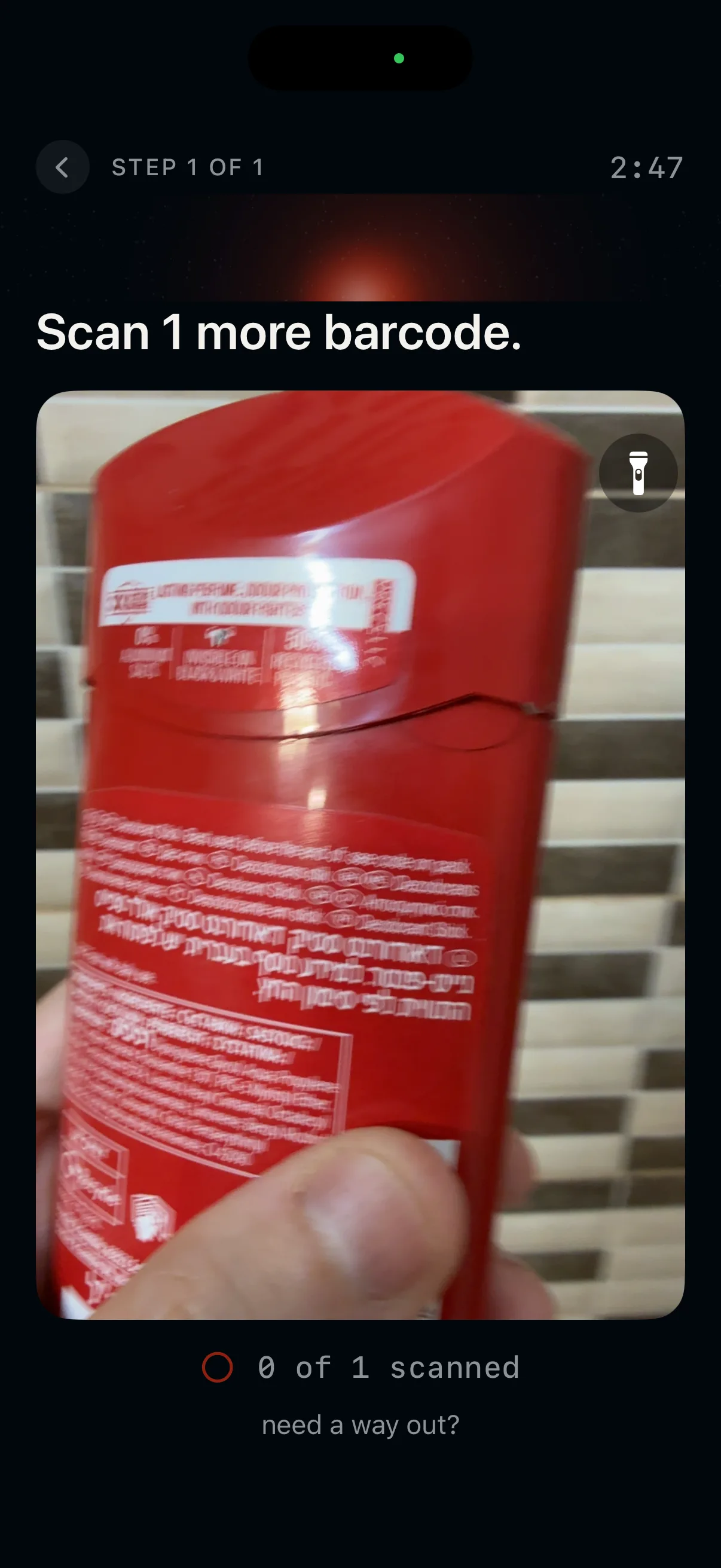
Scan a barcode you placed away from bed.
A wake-up alarm for people who are too good at turning alarms off. Scan the milk. Do ten squats. Answer the question. Or buy nine more minutes.
No easy off switch. You snooze, you pay — or prove you're awake.
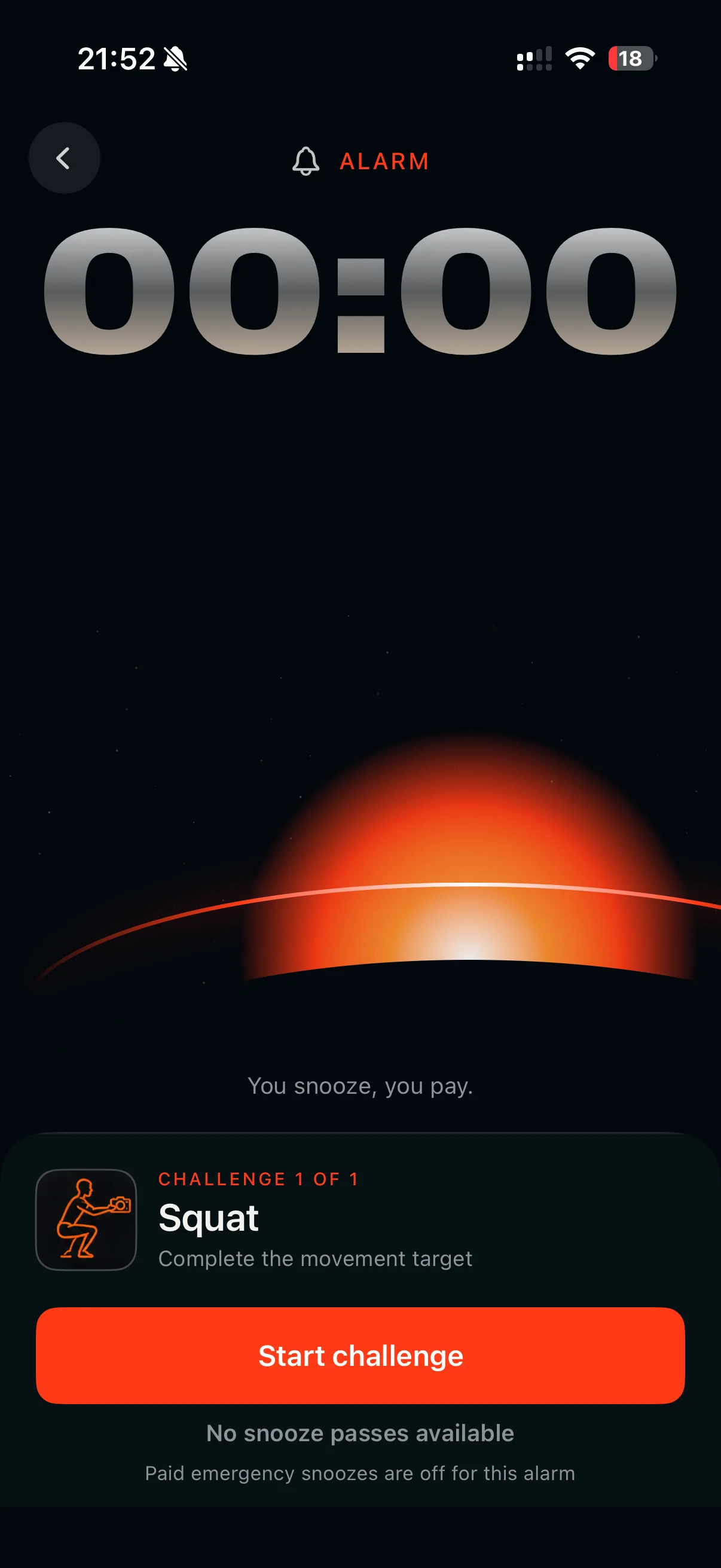
Normal alarm clocks ask whether you are awake. PPS asks for evidence. Build a wake-up challenge around the thing that actually gets you out of bed.
Scan a barcode you placed away from bed.
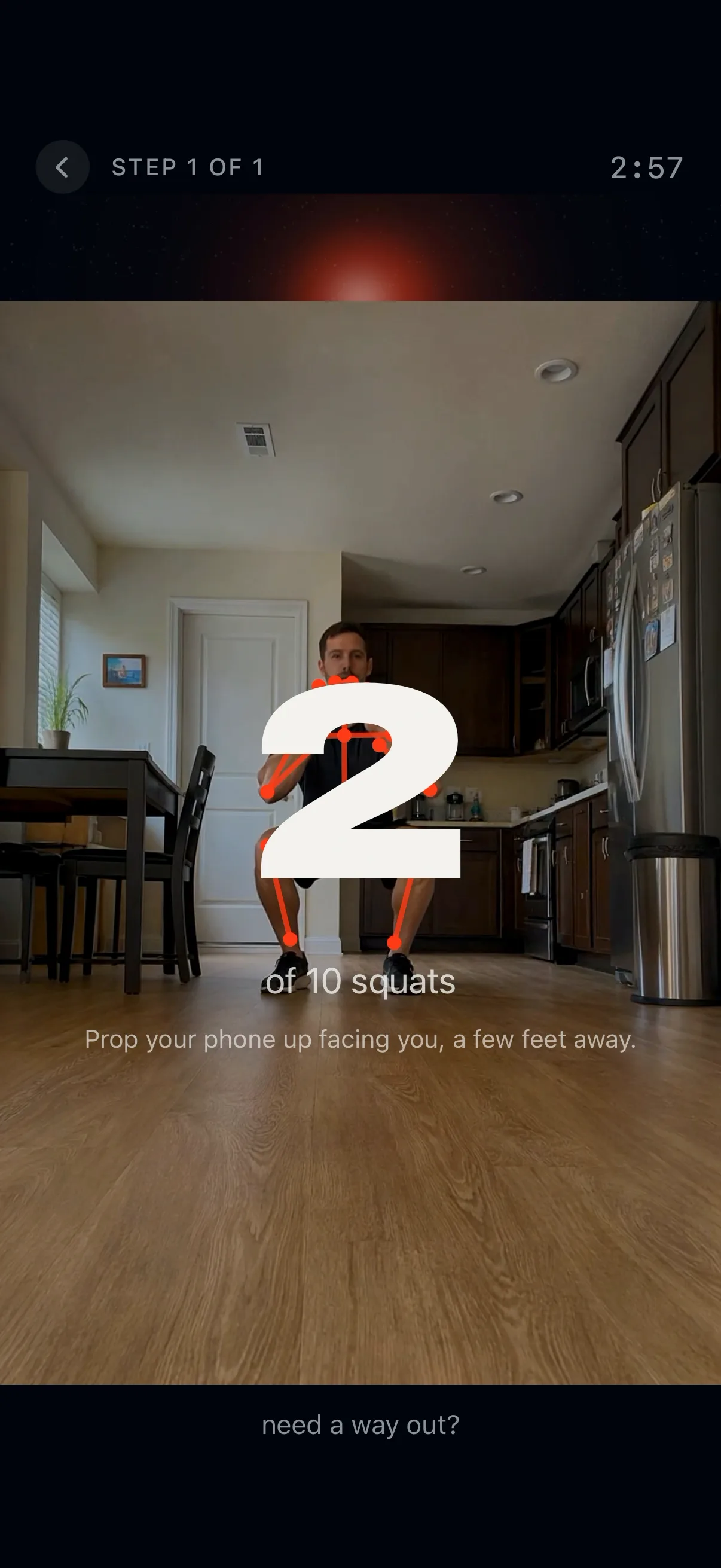
Complete squats and let the camera count reps.
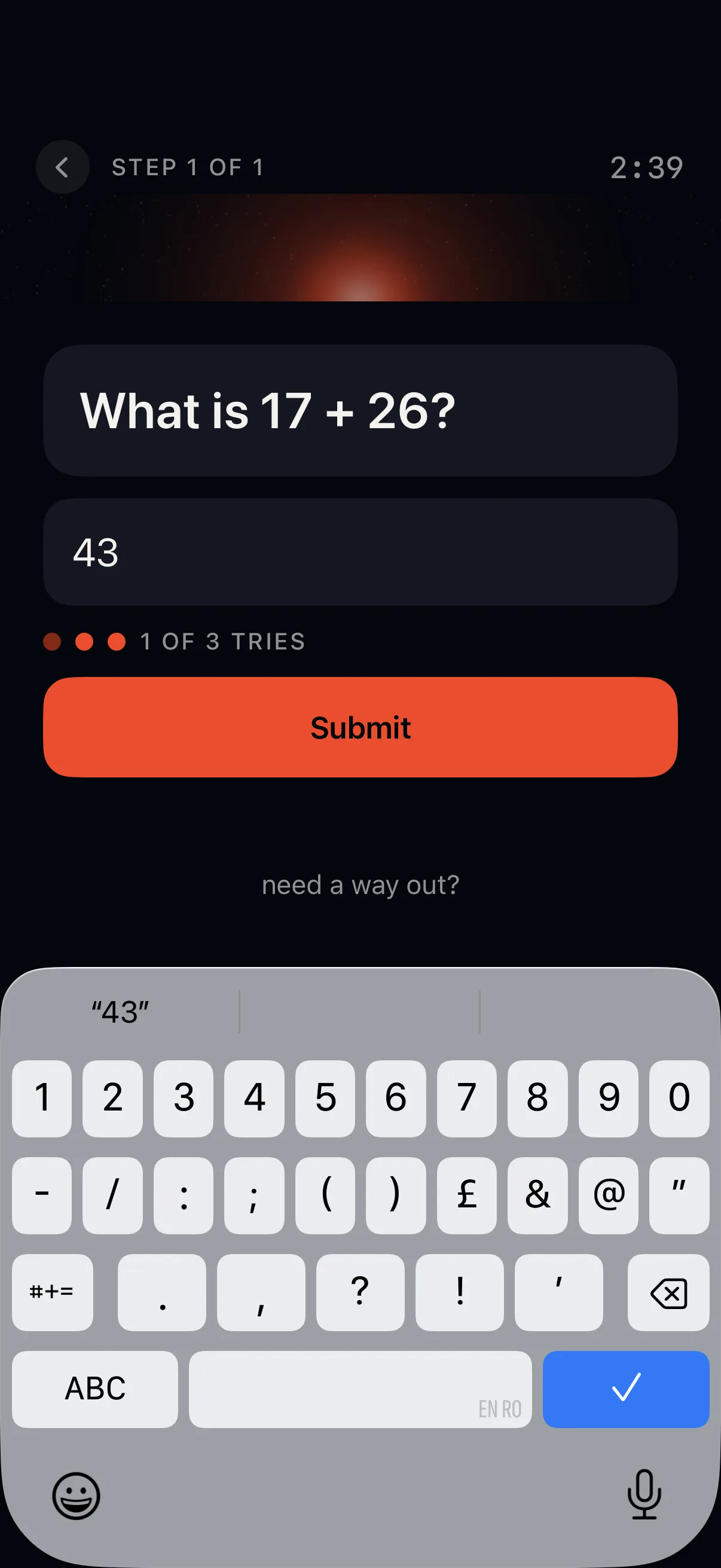
Solve a question before the alarm is done.
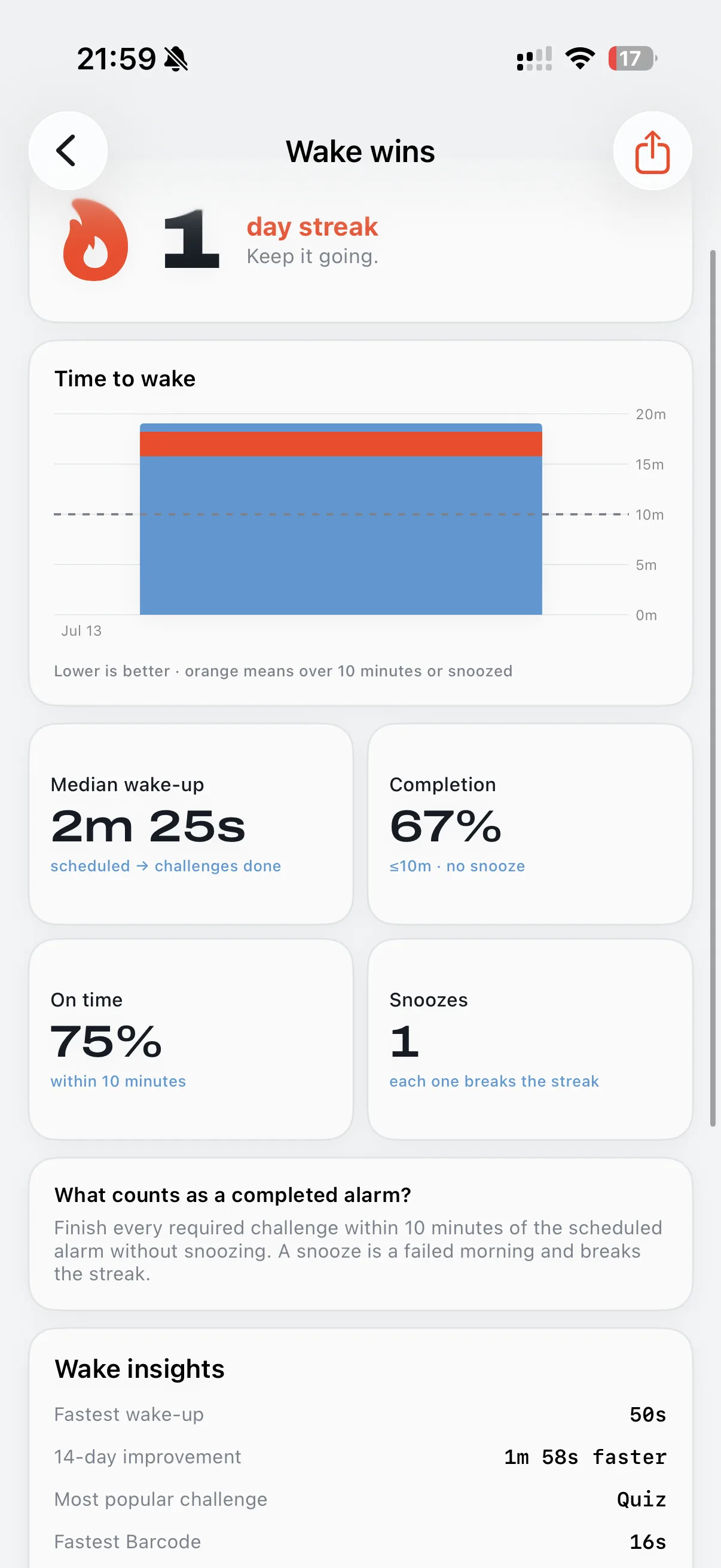
Type a real response instead of tapping dismiss.
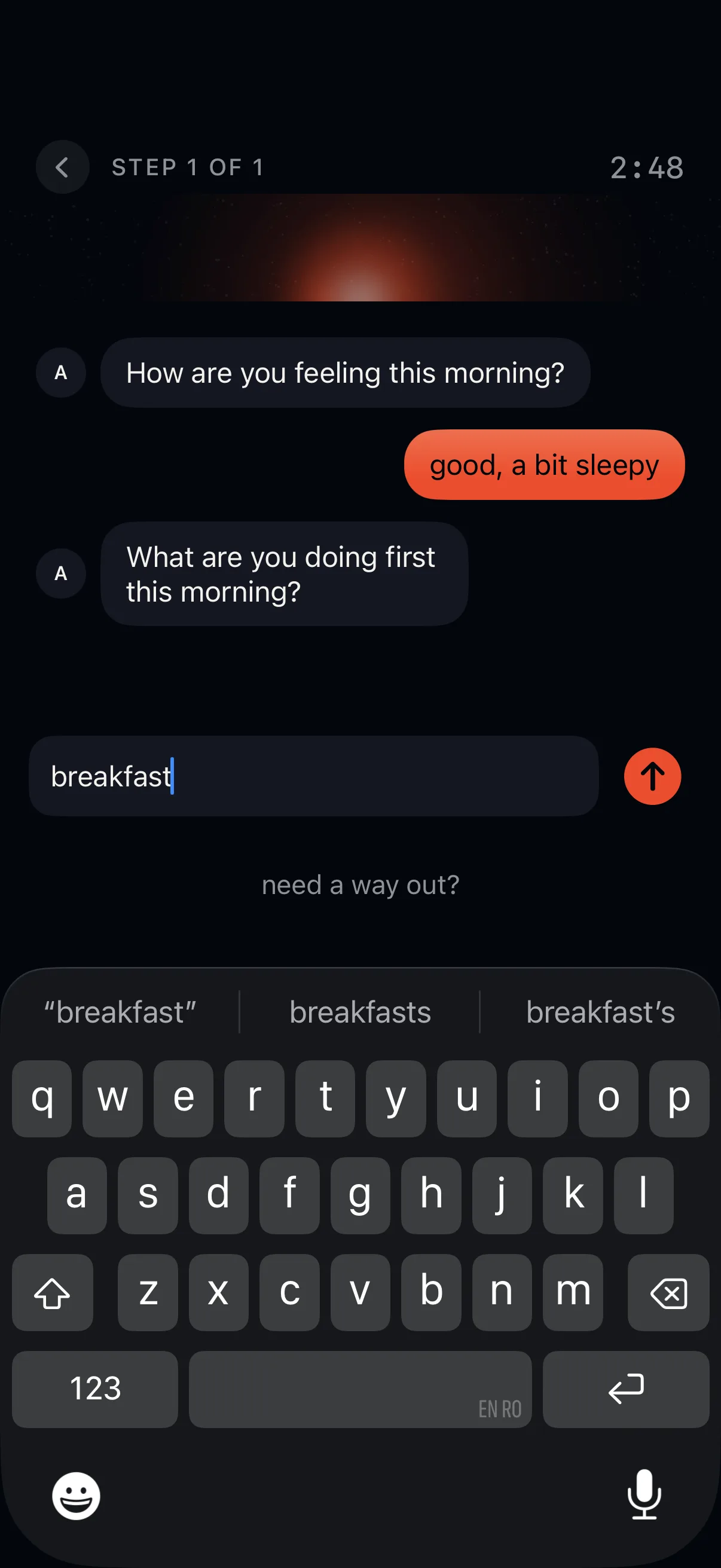
Find the matching pairs before the alarm lets go.
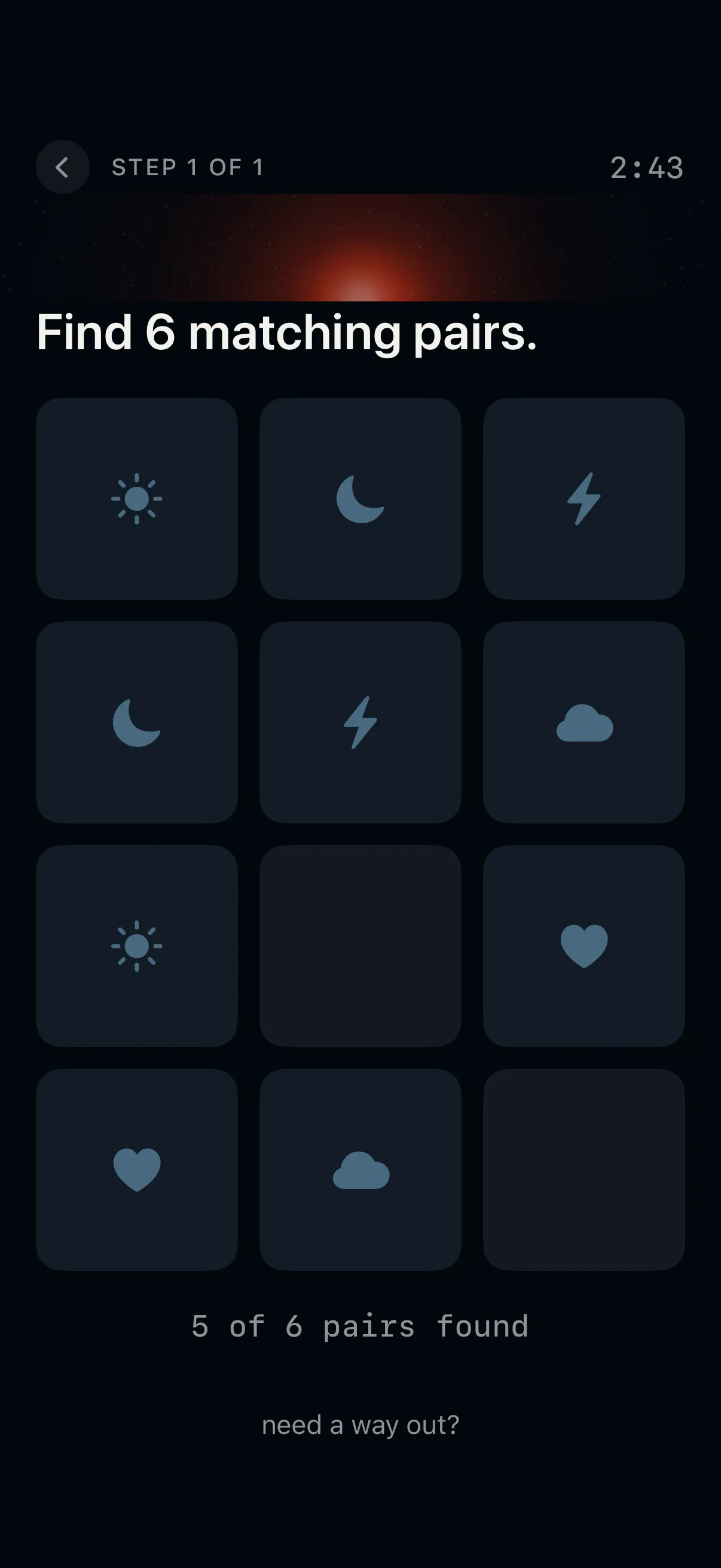
Stack up to three wake-up challenges in the order you want.
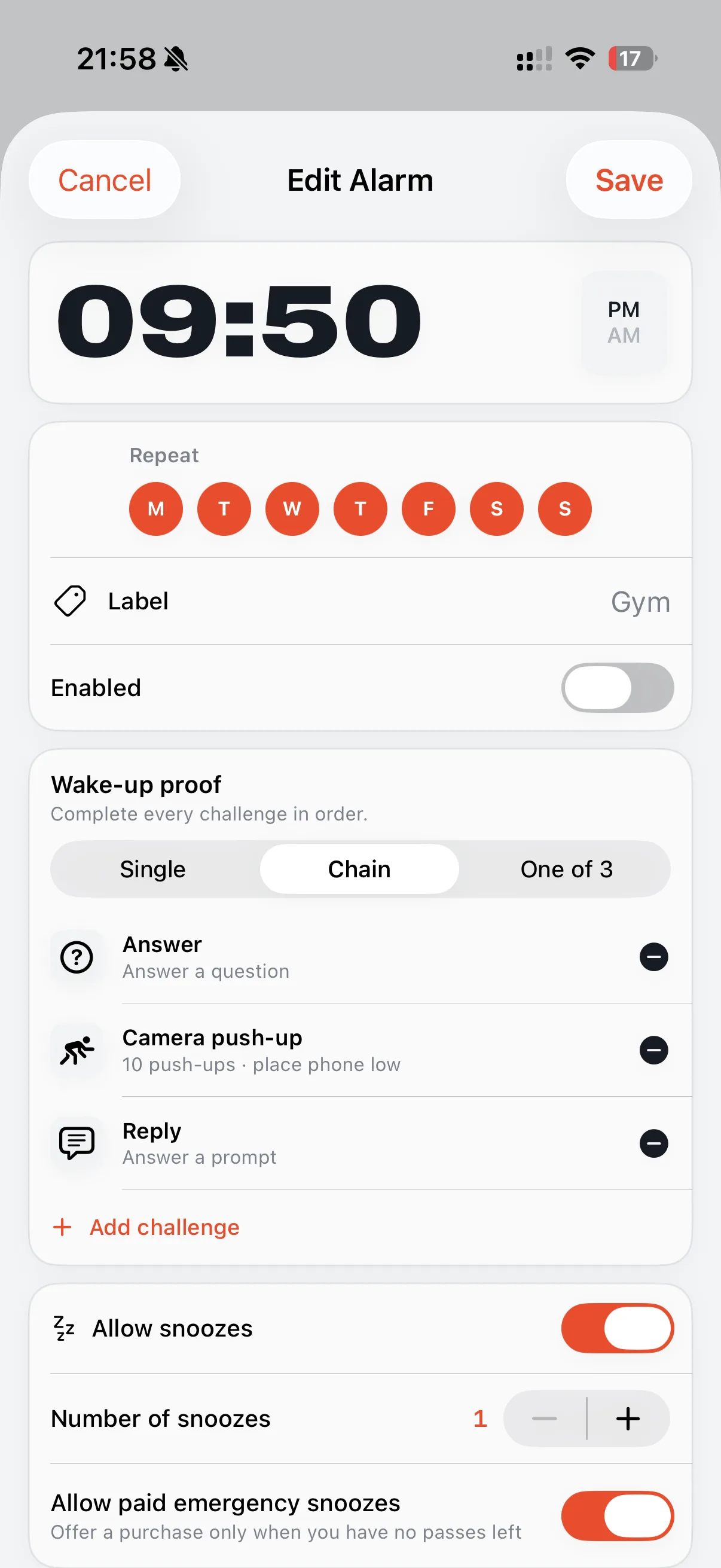
See streaks, wake success, average wake time, and snooze behavior.
Set the alarm once. When morning comes, PPS puts deliberate friction exactly where your sleepy self normally wins.
Choose a time, repeat schedule, sound, and your proof chain.
Stack up to three wake-up challenges in the order you want.
When the alarm rings, finish the chain to end the wake session.
See streaks, wake success, average wake time, and snooze behavior.
Next snooze costs $4.99.
Or do 10 squats — they're free.
This choice is intentionally obvious.
Chain challenges, unlock camera rep counting, use every alarm sound, and keep your full wake history.
3-day free trial
pay once
PPS turns mornings into visible behavior: how often you get up on time, when you actually complete the alarm, and whether snoozing is getting better or worse.
What the alarm does, who it is for, and why snoozing can cost money.
PPS, short for Pay Per Snooze, is an alarm clock concept built around accountability. Instead of giving you an effortless stop button, the alarm asks you to complete a wake-up challenge or use a snooze option.
You choose a proof chain when you set an alarm. PPS can ask you to scan a barcode, complete movement reps, answer a question, or reply before the alarm is considered completed.
No. Challenges are the normal way to complete an alarm. Paid snooze is an optional escape hatch for extra time, and the app shows the cost before you confirm.
PPS is designed for people who repeatedly dismiss or snooze normal alarms and want more friction between hearing an alarm and going back to sleep.
Yes. PPS is designed around proof chains, so an alarm can require multiple wake-up steps in sequence.
The wake history screen is designed to show streaks, wake success, average wake time, and snooze behavior so you can see whether your routine is actually improving.